

Spring arrives differently here in coastal North Carolina.
Salt air. Rising humidity. Storm season on the horizon. Your home faces unique challenges that inland properties never encounter: and March is the time to address them.
This isn't about emergency repairs or restoration services. This is about proactive homeownership: the kind that protects your investment, maintains your property value, and keeps your family comfortable through another coastal Carolina summer.
Whether you've lived here for decades or you're settling into a new custom build, these maintenance priorities will help you stay ahead of the season.
Start at the Top: Roof, Gutters, and Exterior Protection
Your roof takes the hardest hit from coastal weather.
Walk your property and inspect for loose or missing shingles. Look for water stains on siding or fascia boards: these signal potential leaks before they become major problems. If you're not comfortable on a ladder, schedule a professional inspection before June 1, when hurricane season officially begins.
Clear your gutters and downspouts completely. In coastal areas, you're dealing with more than just leaves and twigs: sand accumulation creates stubborn blockages that prevent proper drainage. Clogged gutters lead to moisture infiltration around your foundation, and that moisture creates mold growth, wood rot, and pest problems.
Power wash your exterior surfaces.
Salt residue builds up on siding, and mildew thrives in our humid spring air. A thorough cleaning removes both, protecting your home's exterior finish and maintaining curb appeal. While you're at it, inspect for any signs of moisture damage or fading that might need touch-ups.
Quality construction makes this easier. Homes built with proper materials and attention to coastal conditions require less aggressive maintenance: but every home benefits from seasonal attention.
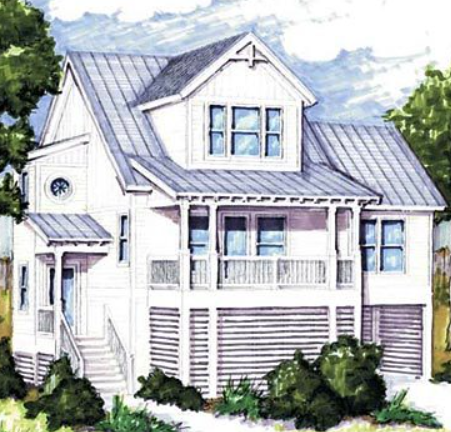
Decks, Porches, and Outdoor Living Spaces
Coastal living happens outdoors.
Inspect all wooden decks, railings, stairs, and windowsills for rot or damage. Our climate is unforgiving to exterior wood: moisture, salt air, and UV exposure work together to deteriorate even treated lumber over time.
Clean deck surfaces with a mild cleaner to remove dirt, mildew, and salt residue. Once everything is clean and dry, apply a fresh coat of sealant or stain. This simple step extends the life of your deck significantly and prevents costly repairs down the road.
Check the security of railings and stairs. Test fence posts for stability. These aren't just cosmetic concerns: they're safety priorities, especially if you have children or elderly family members.
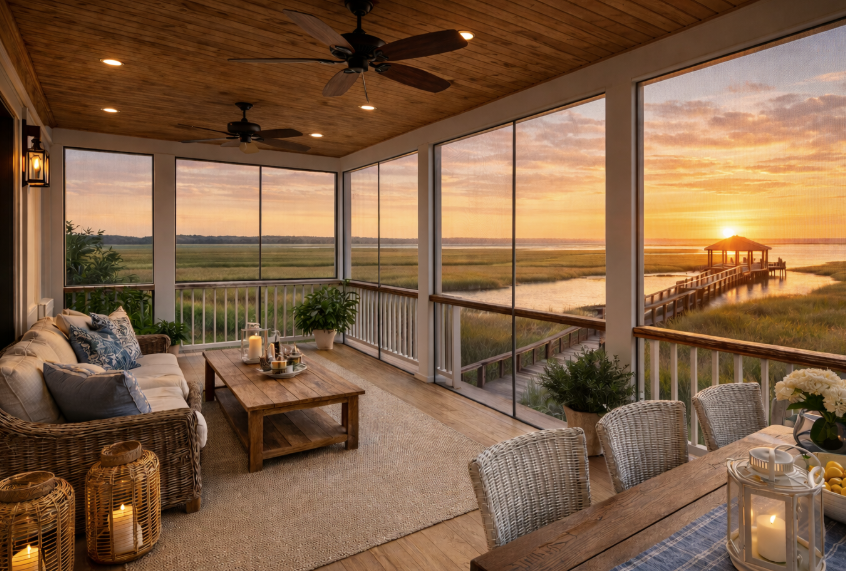
Screened porches need attention too.
Inspect screens for tears or separations from frames. Check the condition of porch ceilings and floors for water damage. These spaces are extensions of your living area, and they deserve the same care as your interior rooms.
HVAC Systems and Indoor Air Quality
Your HVAC system worked hard all winter: and it's about to work harder.
Replace air filters throughout your home. Clean supply and return vents. These simple tasks dramatically improve indoor air quality and system efficiency, which translates to lower energy bills and better comfort.
In coastal areas, salt air creates specific challenges for HVAC equipment. Outdoor condensers are particularly vulnerable to corrosion. Have a qualified HVAC technician inspect your system, check refrigerant levels, and examine outdoor components for salt air deterioration.
This is preventive maintenance, not emergency repair.
Catching small issues now prevents system failures in July, when you need your air conditioning most. Well-maintained HVAC systems also maintain better humidity control, which matters tremendously in coastal homes where moisture management is critical.
Homes built with proper HVAC design: correctly sized equipment, well-planned ductwork, adequate returns: perform better and require less emergency intervention. But even the best systems need regular seasonal maintenance.
Landscaping, Drainage, and Moisture Management
Spring growth happens fast here.
Trim back trees and shrubs, especially those touching or overhanging your home. Branches create pathways for pests, trap moisture against siding, and can cause damage during summer storms. Maintain clear space between vegetation and your home's exterior.
Remove any standing water left from winter weather. Standing water breeds mosquitoes as temperatures rise, and it signals drainage problems that need attention.
Test your irrigation system.
Check for leaks, broken sprinkler heads, and proper coverage. Adjust timers for spring watering schedules: you'll need less irrigation in March than you will in June, but your system needs to be ready.
Inspect your property's grading and drainage. Water should flow away from your foundation, not toward it. If you notice pooling near your home, address it before heavy spring rains arrive.
Quality site preparation during construction creates better drainage from day one. Proper grading, French drains where needed, and thoughtful landscaping design prevent moisture problems for decades. But every property benefits from seasonal inspection and maintenance.
Windows, Doors, and Weather Sealing
Energy efficiency starts at your building envelope.
Wash windows inside and out: you'll be amazed how much brighter your home feels with clean glass. While you're cleaning, inspect weather stripping around windows and doors. Replace damaged or compressed stripping to prevent drafts and improve climate control.
Check caulking around windows and doors. Look for gaps, cracks, or separation. Fresh caulk prevents outdoor pollutants from entering your home, keeps conditioned air inside, and maintains consistent comfort throughout your living spaces.
Clear debris from window wells.
These often-overlooked areas collect leaves, sand, and debris that can block drainage and cause water accumulation against your foundation.
Homes designed for coastal conditions include impact-resistant windows, proper flashing, and quality installation that minimizes air infiltration. These features reduce maintenance needs, but seasonal inspection ensures everything continues performing as designed.
The Construction Connection: Building Quality That Lasts
Spring maintenance reveals construction quality.
Well-built homes require less aggressive seasonal maintenance. Proper materials selection, attention to coastal building codes, meticulous installation practices, and thoughtful design details all contribute to long-term durability.
When you work with an experienced general contractor in Wilmington, NC who understands coastal construction, you're investing in easier ownership from day one. Elevated foundations protect against flooding. Metal roofing resists wind damage and lasts decades longer than composition shingles. Proper ventilation in attics and crawl spaces prevents moisture accumulation. Quality flashing around windows and doors stops water intrusion before it starts.
These aren't luxury upgrades: they're smart coastal building practices.
Every custom home we build incorporates lessons learned from decades of Eastern North Carolina construction. We understand salt air corrosion. We know how humidity affects building materials. We build homes that stand up to coastal weather while requiring reasonable, manageable maintenance from homeowners.
If you're considering building a custom home, building an investment property, or developing commercial space in coastal Carolina, the decisions you make during construction determine your maintenance reality for years to come.
Moving Forward
Spring preparation protects your investment.
These maintenance tasks aren't complicated, but they matter. They extend the life of major building components, prevent small issues from becoming expensive problems, and maintain the comfort and safety of your home.
If you're planning new construction: whether that's a primary residence, a beach house, or an investment property: let's talk about building quality that minimizes long-term maintenance while maximizing durability and value.
Our Project Questionnaire is the first step in understanding your vision, your timeline, and your priorities. You can access it at linktr.ee/MillCreekDevelopmentGroup.
Building in coastal North Carolina requires specific knowledge, proven experience, and unwavering attention to detail. We bring all three to every project: because homes built right require less, perform better, and last longer.
: AJ, President | Mill Creek Development Group
Leave a Reply