
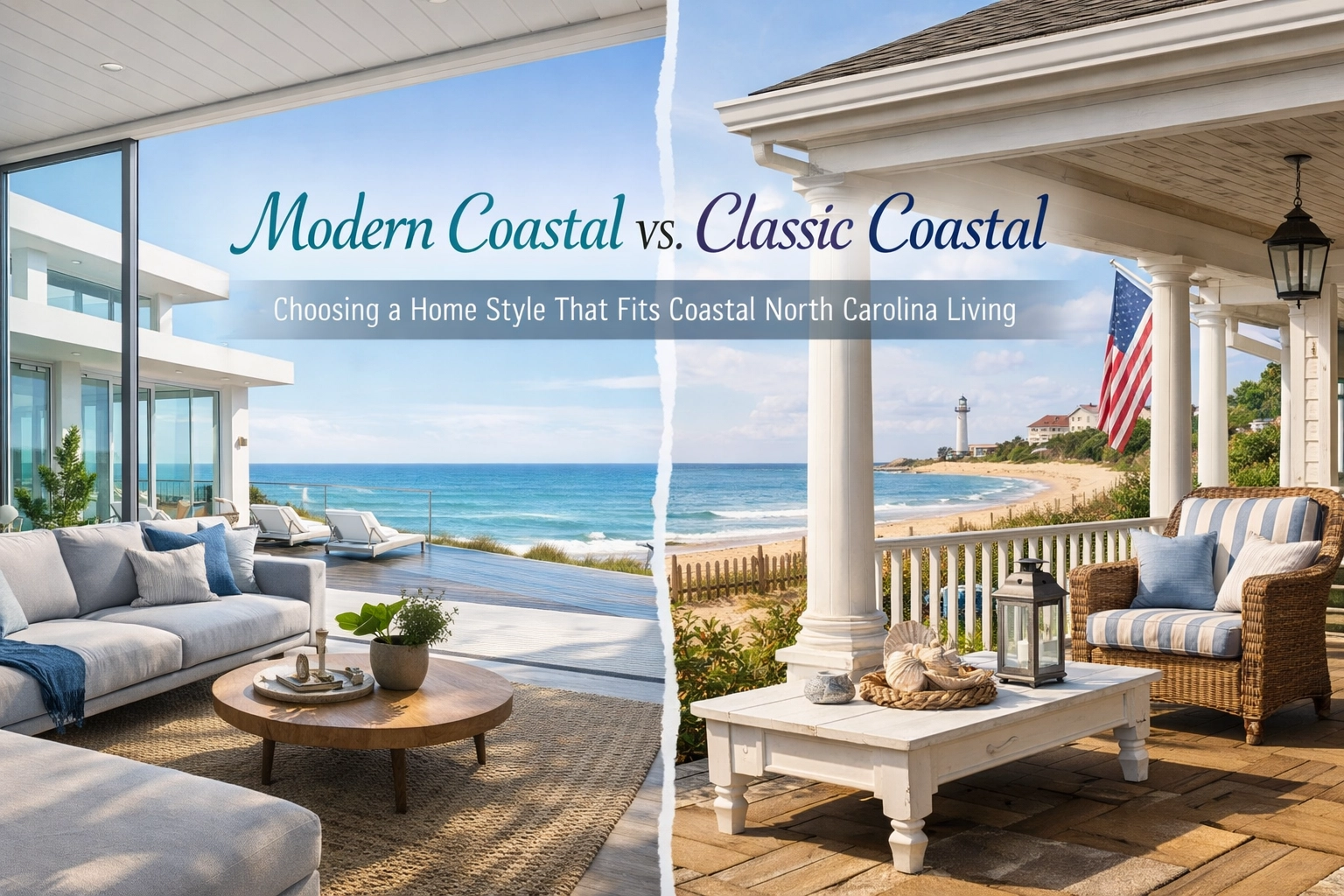
Two distinct architectural approaches define coastal custom home North Carolina design today. Modern coastal emphasizes clean lines and contemporary simplicity. Classic coastal celebrates traditional charm and timeless proportions.
The choice between these styles shapes everything: your roofline, your porch configuration, your material selection, and how your home performs against salt air and coastal storms.
Understanding the differences helps you build a home that matches your lifestyle across Wilmington, Leland, Southport, and the broader coastal North Carolina region.
Modern Coastal: Clean Lines and Performance-Driven Design
Modern coastal design prioritizes minimalism, functionality, and light. These homes feature open-concept living spaces that maximize airflow and natural illumination. Expansive porches connect indoor and outdoor living seamlessly.
The architectural approach focuses on simplicity. Large windows and sliding glass doors frame water views and coastal landscapes. Simple rooflines: often flat or low-pitched: reduce wind resistance during storms. The color palette stays light and neutral, using whites, soft grays, and natural wood tones.
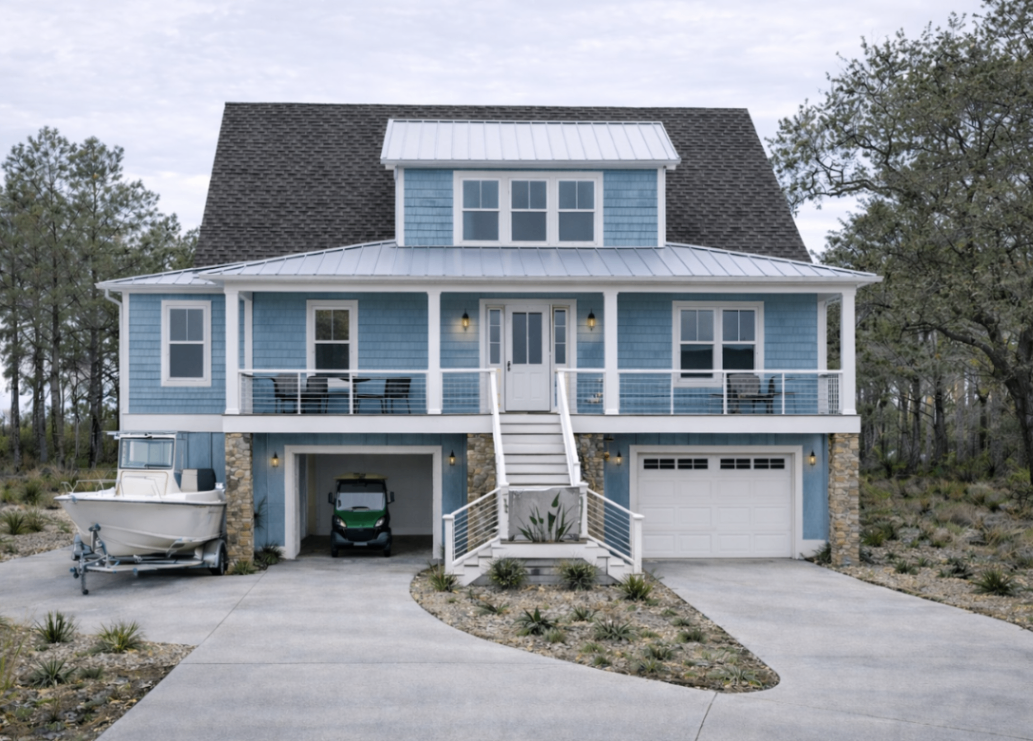
Material selection emphasizes durability with minimal maintenance. Fiber cement siding, metal roofing, and composite decking stand up to salt spray and humidity without constant upkeep. Aluminum-clad windows resist corrosion. Stainless steel hardware maintains its finish year after year.
Modern coastal homes eliminate unnecessary ornamentation. Every design element serves a purpose: structural integrity, energy efficiency, or enhancing the connection to the coastal environment.
This style works exceptionally well for primary residences and second homes throughout the Wilmington area. Buyers seeking low maintenance, contemporary comfort, and streamlined aesthetics gravitate toward modern coastal design. The practical rooflines and material choices make these homes easier to maintain in coastal North Carolina's demanding climate.
Classic Coastal: Timeless Character and Traditional Proportions
Classic coastal architecture draws from Southern coastal tradition and historical precedent. These homes feature symmetrical layouts, gabled roofs, columns, and carefully proportioned windows. The design creates a sense of order, permanence, and established character.
Architectural details matter in classic coastal design. Wraparound porches with deep overhangs provide shade and weather protection. Dormer windows add visual interest and interior light. Board-and-batten shutters, decorative brackets, and detailed trim work contribute to the home's personality.
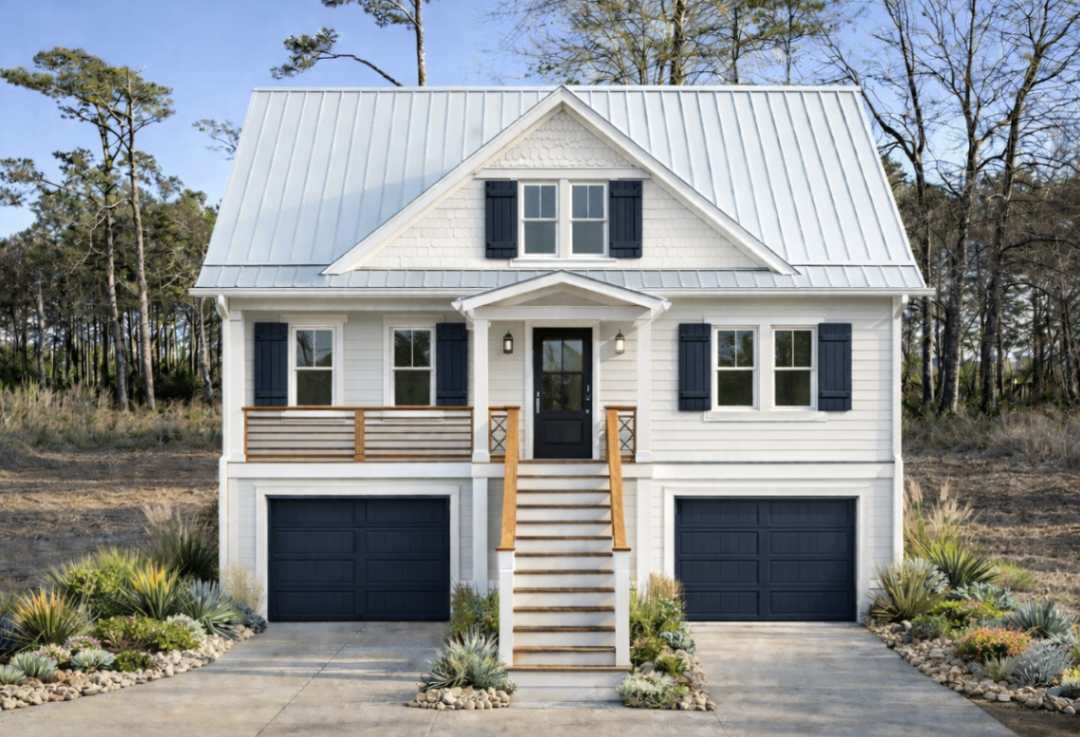
The material palette includes traditional elements with modern durability. Hardiplank siding mimics the appearance of classic wood without the maintenance burden. Metal roofing provides storm protection while maintaining traditional profiles. Natural wood accents on porches and railings add warmth and authenticity.
Color choices lean toward coastal blues mixed with crisp whites. Navy shutters against white siding. Soft blue-gray exteriors with natural wood doors. These combinations reference coastal North Carolina's maritime heritage while maintaining broad appeal.
Classic coastal homes work particularly well in established neighborhoods and communities with design guidelines. The traditional proportions and architectural details satisfy homeowners associations and design review boards more readily than contemporary styles.
This approach appeals to those seeking enduring character, substantial presence, and a sense of place rooted in coastal tradition. The style doesn't chase trends: it establishes a timeless foundation that ages gracefully.
Practical Considerations for Coastal North Carolina Climate
Both styles must address the same environmental challenges. Salt air, high humidity, wind-driven rain, and storm events demand thoughtful material selection and construction methods regardless of aesthetic preference.
Roofline Design Matters
Simple rooflines: whether modern and flat-pitched or classic and gabled: perform better in high winds than complex roof structures with multiple valleys and transitions. Metal roofing provides superior storm protection and longevity compared to asphalt shingles. Proper overhangs protect siding and windows from water intrusion.
Porch Configuration Affects Durability
Elevated foundations and covered porches provide flood protection in coastal zones. Deep overhangs shield windows and doors from driving rain. Screened porches extend living space while keeping insects at bay: critical in coastal North Carolina's warm, humid climate.
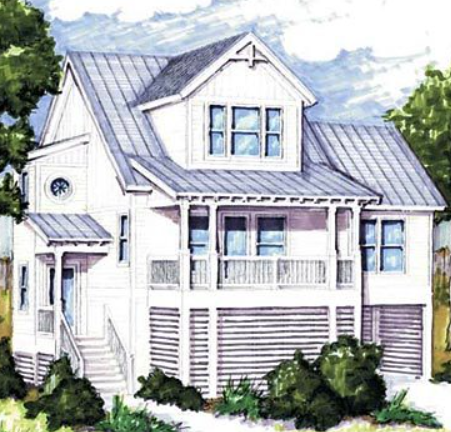
Material Selection Determines Maintenance Requirements
Fiber cement siding resists moisture damage, won't rot, and handles salt exposure without deterioration. Composite decking eliminates the constant staining and sealing required by traditional wood. Aluminum-clad or vinyl windows resist corrosion from salt air. Stainless steel and powder-coated hardware maintains appearance and function despite coastal conditions.
Proper Construction Methods Ensure Longevity
Sealed crawl spaces prevent moisture accumulation and pest intrusion. Proper flashing around windows and doors stops water infiltration. Hurricane straps and structural reinforcements protect against wind uplift. Adequate ventilation in attics and crawl spaces controls humidity and extends material lifespan.
These practical considerations apply equally to modern and classic coastal styles. The difference lies in how each aesthetic approach integrates these performance requirements.
Blending Styles for Your Coastal North Carolina Home
You don't face an absolute choice between modern and classic. Many successful coastal custom home North Carolina projects blend elements from both approaches.
A home might feature modern coastal's open floor plan and expansive windows while incorporating classic details like a traditional gabled roof, covered front porch with columns, and board-and-batten shutters. This hybrid approach maintains contemporary functionality while preserving architectural character that fits established Leland or Southport neighborhoods.
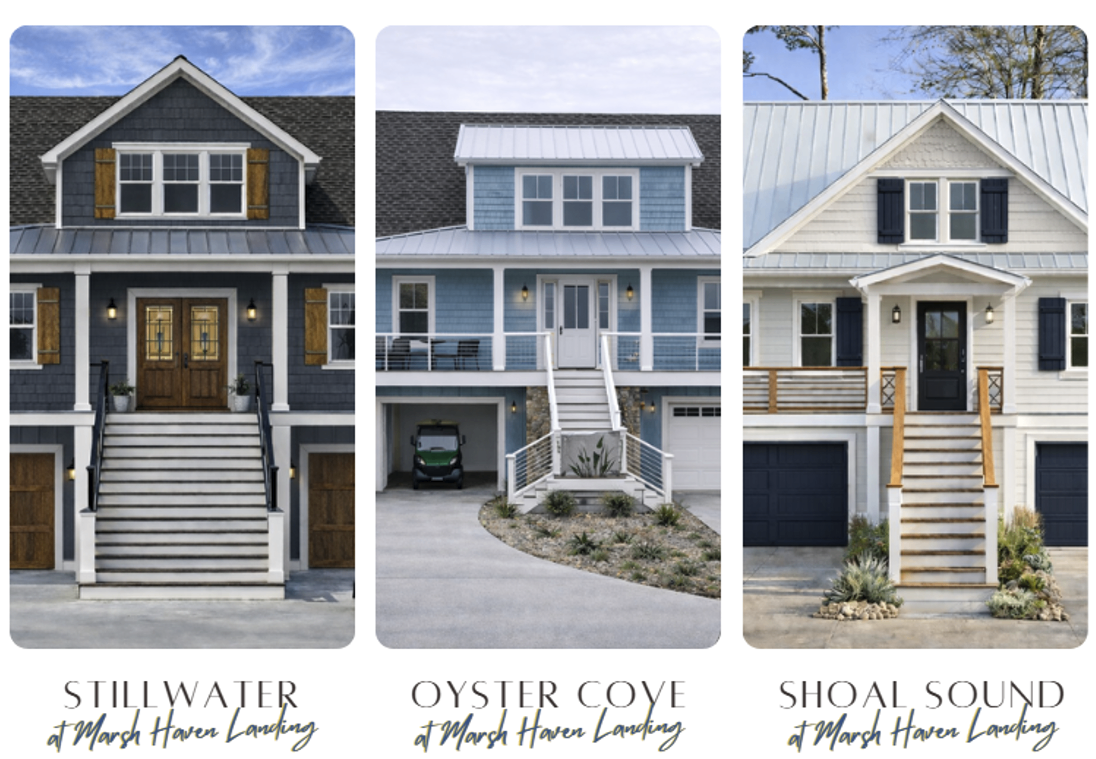
Another approach combines classic coastal's timeless proportions and symmetry with modern material selections and simplified detailing. The result: a home with traditional presence that requires minimal maintenance and performs exceptionally well in coastal conditions.
The right balance depends on several factors:
Your daily lifestyle and how you use your home. Modern coastal suits those prioritizing ease of maintenance and contemporary living. Classic coastal appeals to those valuing traditional character and established aesthetic presence.
Your property location. Waterfront sites benefit from modern coastal's emphasis on views and indoor-outdoor connection. Inland properties within coastal communities often work better with classic coastal's traditional neighborhood character.
Your community's design guidelines. HOA-controlled developments may require specific architectural styles or details. Understanding these requirements early shapes your design direction.
Your long-term vision. Modern coastal embraces current design trends and contemporary living patterns. Classic coastal provides timeless appeal that transcends changing tastes.
Mill Creek's Approach to Coastal Home Design
We bring thoughtful planning and meticulous craftsmanship to every coastal custom home: regardless of architectural style. Our process begins with understanding your lifestyle, your property, and your vision.
We evaluate your site's specific conditions. Wind exposure. Salt air proximity. Flood zone requirements. Soil conditions. These factors inform every design decision: from foundation elevation to roofline configuration to material selection.
Our construction methods prioritize durability and long-term performance. We don't cut corners on structural reinforcement, weather protection, or material quality. Every coastal home we build must withstand decades of challenging environmental conditions.
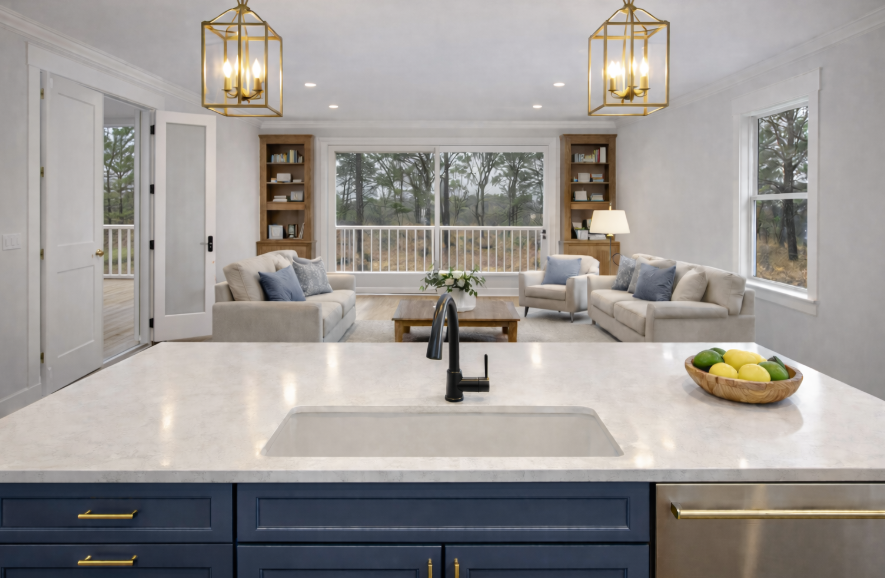
We maintain clear communication throughout the building process. You understand what's happening, why decisions matter, and how your home comes together. Confidence. Clarity. Consistency.
Whether you choose modern coastal's streamlined aesthetics, classic coastal's timeless character, or a thoughtful blend of both approaches, we deliver the same commitment to quality craftsmanship and attention to detail.
Start Your Coastal Custom Home Journey
Choosing between modern coastal and classic coastal design represents just one decision in building your coastal North Carolina home. The process involves countless choices about layout, materials, finishes, and details.
We guide you through every step: from initial design concepts through final construction and move-in.
Ready to explore your options? Complete our Project Questionnaire to begin the conversation. We'll discuss your vision, evaluate your property, and develop a plan that matches your lifestyle and budget.
Visit millcreekdev.com to view our completed projects and learn more about our process. Follow @MillCreekDev for updates, insights, and coastal North Carolina building guidance.
Building a coastal custom home requires experience, precision, and commitment to excellence. We bring all three to every project across Wilmington, Leland, Southport, and coastal North Carolina.
: AJ, President | Mill Creek Development Group
Leave a Reply