
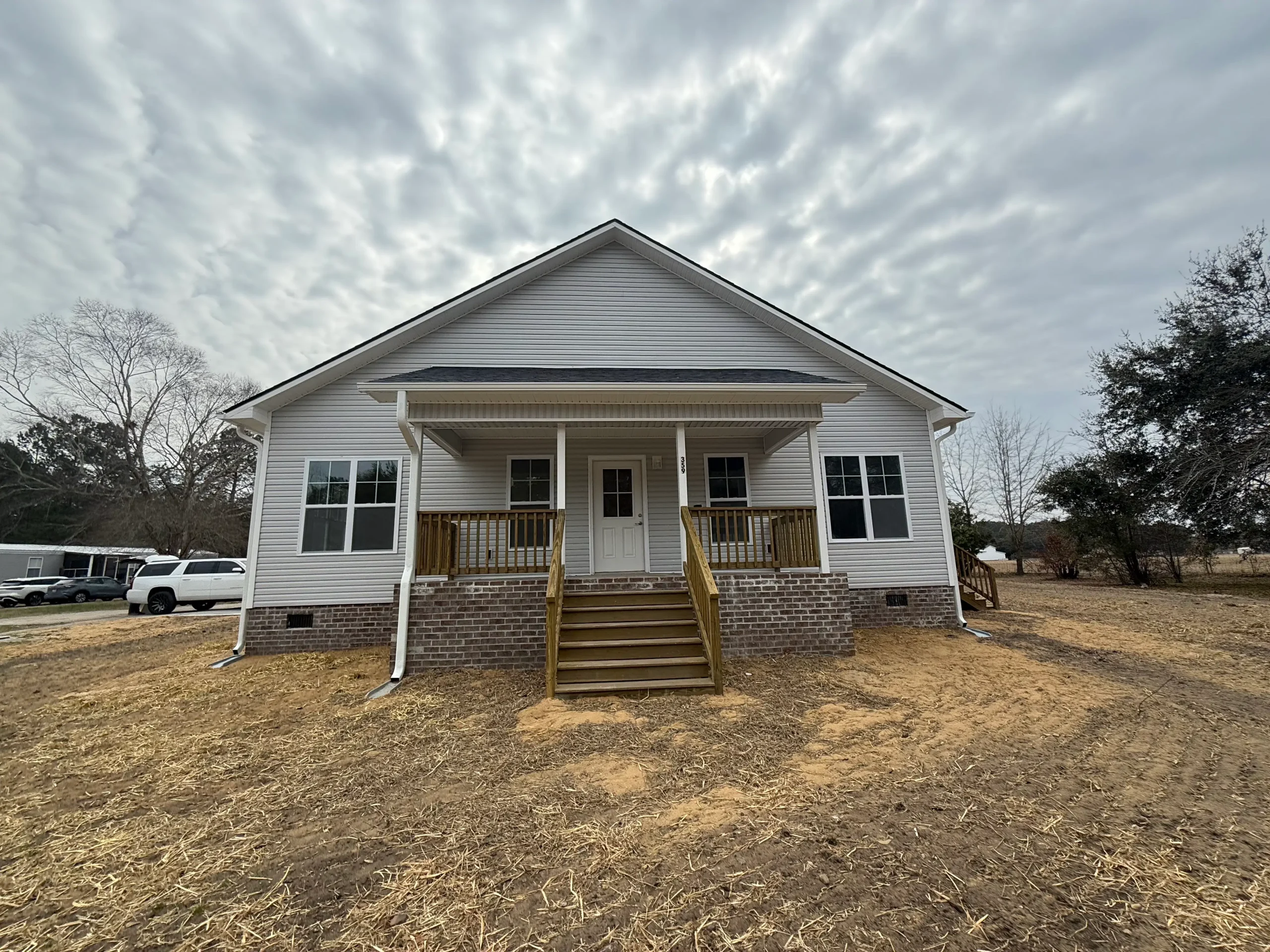
Wilmington. Leland. Southport. Coastal North Carolina. More families are looking to put down roots across the region, and local growth brings real opportunities, and practical questions for anyone planning a custom home.
Growth looks different from town to town. New Hanover County issued 3,124 construction permits in 2025, while Leland officials project the town could exceed 74,000 residents by 2045. Those numbers signal activity, not a guarantee about future prices or schedules. For buyers, they reinforce the value of careful planning and a builder who understands the local process.
Use this checklist to compare builders and make informed decisions before you commit to a lot or a contract.
1. Verify the license and insurance, not just the company name
North Carolina generally requires a general contractor license for qualifying construction projects valued at $40,000 or more, subject to statutory exceptions. Check the contractor and the contracting business through the North Carolina Licensing Board for General Contractors. Confirm that the license covers the work and project value, and that the legal entity on the license matches the entity on your contract.
A license does not automatically mean a builder carries every policy a project needs. Ask for current certificates of insurance and confirm coverage directly with the insurer or agent. Discuss general liability, workers’ compensation, and builder’s-risk coverage for the construction period. Ask who covers deductibles and materials if a covered loss occurs. Your lender and insurance agent can help you assess project-specific requirements.
2. Investigate the lot before you make it yours
A lot can look ready to build and still come with costly constraints. Before closing, ask which professionals will confirm boundaries, easements, access, soils, drainage, wetlands, septic suitability or sewer availability, and utility connections.
Also check zoning and setbacks, any recorded restrictions, and whether coastal or environmental reviews apply. Ask for the jurisdiction that issues permits; town and county boundaries can affect the rules and review process. If the parcel sits within a larger development, request the approved plans, utility information, road-improvement obligations, and development phases.
A builder can help identify questions and coordinate early planning, but use qualified surveyors, engineers, and other specialists for the required evaluations.
3. Ask specific questions about flood zones and elevation
In coastal North Carolina, a lot’s mapped flood zone can shape design, cost, insurance, and permitting. Review the current FEMA Flood Map Service Center information and confirm requirements with the local floodplain administrator.
In Zone AE, the map generally provides a Base Flood Elevation (BFE). The elevation associated with the mapped flood event. Ask how the required lowest-floor elevation compares with that BFE and whether the local rules require freeboard, or additional height above the BFE.
Zone X does not mean no flood risk. It indicates a lower mapped risk than high-risk zones, but site drainage and local requirements still matter. Ask whether the parcel sits in shaded Zone X, what flood information applies, and whether an elevation certificate or other survey documentation makes sense. A licensed surveyor or floodplain professional can help verify elevations and explain the records.

4. Discuss Fortified roofing while the plans are still flexible
A roof’s wind resilience depends on more than the shingle choice. Ask what roof-deck attachment, sealed-deck details, edge protection, and other wind-mitigation measures the builder includes. Discuss the IBHS FORTIFIED program early, while the plans and budget can still account for its requirements and documentation.
Some North Carolina coastal insurance policies offer wind-mitigation credits for eligible FORTIFIED designations. Eligibility and savings depend on the home, location, policy, and insurer. Ask your insurance agent to review the proposed approach and confirm what proof the carrier requires. Treat potential savings as something to verify, not a promised discount.
5. Compare complete budgets, not just bottom-line bids
The lowest initial bid may leave out important costs or rely on allowances that do not reflect your selections. Request an itemized budget that separates site work, foundation, structure, mechanical systems, finishes, allowances, and builder fees. Confirm what the price includes, and what it excludes.
Compare bids using the same plans and specifications. Check allowance amounts for cabinets, flooring, fixtures, appliances, and lighting against your expectations. Ask how the builder prices upgrades and credits, and when prices can change. A transparent budget supports Clarity and helps you make decisions before they become expensive changes.

6. Read the schedule and change-order process before signing
A useful schedule does more than list a projected move-in date. It shows major phases, decision deadlines, inspections, procurement dates, and the events that can shift the timeline. Ask how often the builder updates the schedule and how the team communicates delays.
Coastal-area projects may need more time for site reviews, permits, or specialized work. Custom windows, cabinets, appliances, and specialty finishes can also have longer lead times. Ask when the builder orders them, how they track delivery, and how they handle unavailable products.
For changes, ask who can approve them, how the builder documents cost and schedule impacts, and whether work waits for your written approval. Consistent documentation. Clear decisions. Fewer surprises.
7. Ask how local growth affects permits, materials, and trades
Growth can increase pressure on permit offices, suppliers, and subcontractor schedules, but the effect varies by location and project. The New Hanover County 2025 permit analysis reports 3,124 construction permits across Wilmington, Carolina Beach, and unincorporated areas. In Leland, officials project more than 74,000 residents by 2045, according to WECT’s coverage.
Those figures do not tell you how long your permit will take. Ask which office reviews your plans, whether your application needs separate approvals, and what current review estimates the jurisdiction provides. Ask the builder how they coordinate with local trades and manage supplier updates. Experienced local planning helps, but no builder can guarantee another agency’s review time or a manufacturer’s delivery date.
8. Understand warranty coverage and post-closing service
Before you sign, ask for the written warranty. Review its term, covered items, exclusions, reporting deadlines, and dispute process. Ask who handles questions after closing and how you submit a service request.
Clarify what the builder covers versus what a manufacturer covers. Ask whether you receive product manuals, warranty documents, inspection records, and final project documents at handover. A dependable post-closing process gives you a clear point of contact and helps protect the value of your investment.
9. Make sure the communication style fits you
Building a home takes many decisions. Ask who serves as your main contact, how often you receive updates, and what format the team uses for selections, approvals, and open questions. Ask how the builder handles a concern that needs a fast answer.
Notice whether the builder listens, explains tradeoffs, and records next steps. A strong working relationship rests on Confidence, Clarity, and Consistency, not promises without a process. Mill Creek Development Group is Veteran-Owned and Locally Operated, with hands-on project management and disciplined upfront planning. Those commitments shape how we approach each client relationship.

10. Plan early, even if you are not ready to build today
Waiting can make sense when your finances, timing, or design still need work. Be honest about the tradeoffs: lot availability, land values, and construction pricing can move, and no one can predict exactly how they will change. The strongest position is not rushing into a purchase. It is understanding your budget and site constraints before you commit to a lot.
Start by discussing a realistic project range, desired location, and must-have features. Then identify what you need to learn about any prospective lot. Early planning helps you compare choices with more confidence and less pressure.
For a custom home, spec home, or commercial project, Mill Creek also provides consulting and commercial upfits for local business owners. Explore our services and building process for more information.
Start with a clear plan
Ready to explore a custom home in coastal North Carolina? Begin with the Project Questionnaire: Step 1 of our process. Visit millcreekdev.com to learn more about Mill Creek Development Group, or follow @MillCreekDev.
- AJ, President | Mill Creek Development Group
Leave a Reply