
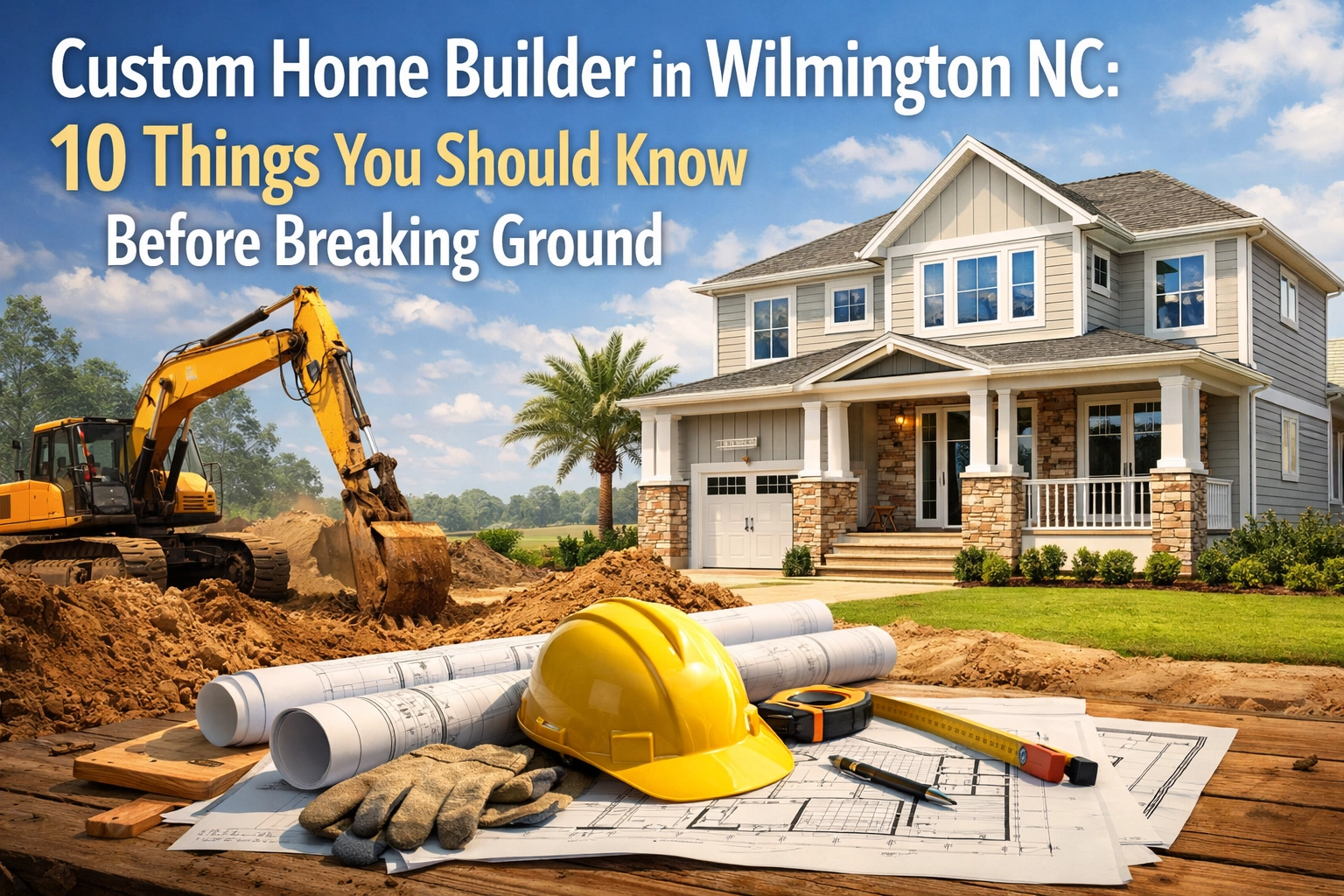
Building a custom home in Wilmington, North Carolina is one of the most significant investments you'll ever make. It's also one of the most rewarding: when done right.
At Mill Creek Development Group, we've built dozens of custom homes across Leland, Southport, Jacksonville, Surf City, and Topsail Beach. We've learned what separates smooth, successful builds from frustrating ones. And it almost always comes down to preparation.
Before you break ground, there are critical decisions, documents, and conversations that need to happen. Skip them, and you're setting yourself up for delays, budget overruns, and stress. Get them right, and you'll experience the confidence and clarity that comes from working with a custom home builder in Wilmington NC who knows the process inside and out.
Here are the 10 things you need to know before construction begins.
1. Permitting Isn't Optional: It's the Foundation of Your Project
You cannot legally begin construction without the proper permits. Building permits. Zoning permits. Environmental permits. All must be secured before the first piece of equipment arrives on site.
In coastal North Carolina, permitting requirements can be complex: especially if you're building near wetlands, flood zones, or protected land. Working with a custom home builder in Wilmington NC who understands local regulations saves you time, money, and headaches.
We handle permit applications and coordinate with local authorities so you don't have to navigate the bureaucracy alone.
2. Land Testing and Surveys Come First
Your property might look perfect on the surface, but what's beneath matters just as much.
Before breaking ground, you'll need:
- A land survey to establish property boundaries
- Title search and title insurance to confirm ownership
- Water table testing if you're installing a well
- Septic system soil testing to ensure proper drainage
These tests identify issues early: before they become expensive surprises mid-construction. A builder who skips these steps isn't saving you time. They're gambling with your investment.
At Mill Creek, we require all land testing upfront. It's part of our meticulous attention to detail and our commitment to building homes that stand the test of time.
3. Your Budget Needs Breathing Room
Every custom home project encounters unexpected expenses. A rock formation during excavation. A material price increase. A design adjustment mid-build.
The difference between a stressful project and a smooth one is simple: contingency planning.
We recommend breaking your budget into clear categories: labor, materials, site work, permits, and contingencies. Allocate 10-15% for unforeseen costs. Then stick to the plan.
Regular budget reviews throughout construction keep you informed and in control. No surprises. No last-minute scrambles.
4. Finalize Your Plans Before Construction Starts
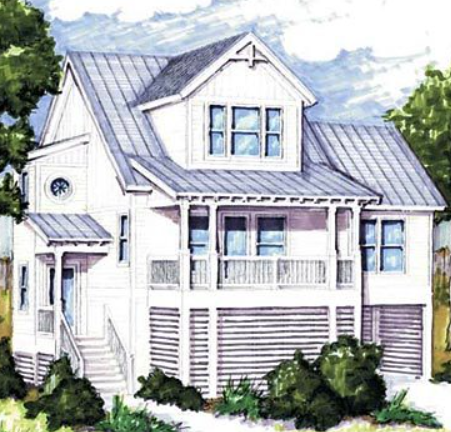
Architectural and engineering plans aren't suggestions: they're the blueprint for everything that happens on your site.
These plans detail dimensions, materials, structural specifications, and building code compliance. They guide every tradesperson who touches your project.
Changes mid-construction are expensive and disruptive. That's why we spend significant time in the planning phase ensuring your vision is captured accurately. We review plans with you line by line, answer every question, and make adjustments before breaking ground.
This level of communication is non-negotiable. It's how we maintain confidence, clarity, and consistency throughout the build.
5. Material Selection Can't Wait
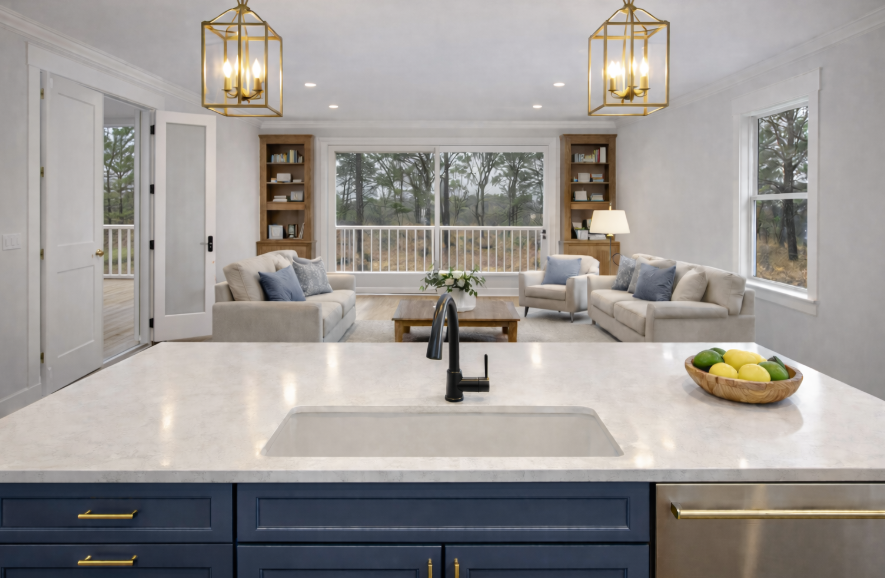
Choosing finishes during construction leads to delays. Suppliers need lead time. Some materials take weeks or months to arrive: especially custom cabinetry, tile, and fixtures.
We ask clients to select materials during the pre-construction phase. Visit showrooms. Touch samples. Consider quality, cost, and long-term maintenance.
Then we create a detailed ordering and delivery schedule that aligns with the construction timeline. Materials arrive exactly when they're needed: not too early (risking damage) and not too late (causing delays).
This is where our veteran-owned discipline shows up. Logistics matter. Timing matters. We treat your project like a military operation: organized, efficient, and executed with precision.
6. Foundation Work Sets the Tone for Everything
A strong foundation is the most critical element of your home. Everything else: walls, roof, finishes: depends on it.
Foundation work involves site excavation, concrete pouring, and ensuring the structure is level and stable. In coastal North Carolina, foundation design must also account for flood risk, soil conditions, and elevation requirements.
We inspect foundation work rigorously. We address issues immediately. We don't move forward until the foundation meets our standards: and yours.
Cutting corners here compromises your entire home. We don't cut corners.
7. Understand the Construction Timeline
Custom home construction in Wilmington typically follows this sequence:
- Weeks 1-8: Planning, design, and permits
- Weeks 9-11: Site preparation and foundation work
- Weeks 12-16: Framing and roof installation
- Weeks 17-21: Mechanicals (plumbing, electrical, HVAC) and drywall
- Weeks 22-26: Interior finishes, cabinetry, and flooring
- Weeks 27-30: Final inspections, punch list, and closing
Weather, material availability, and design complexity can affect this timeline. A reliable builder communicates proactively when delays occur and adjusts the schedule accordingly.
We don't promise unrealistic timelines. We deliver on the ones we commit to.
8. Verify Your Builder's Credentials and Insurance
Not all builders are equal. Before signing a contract, verify:
- Licensing and bonding status
- Liability insurance and workers' compensation coverage
- Work guarantees and warranty terms
- References from past clients
A custom home builder in Wilmington NC who resists providing this information isn't worth your trust.
We're transparent about our credentials. We're proud of our track record. And we stand behind every home we build with clear written guarantees.
9. Site Preparation and Utilities Must Happen First
Before foundation work begins, the site must be cleared and utilities must be established.
This includes:
- Clearing vegetation and grading the lot
- Installing temporary power poles
- Arranging water meters or well installation
- Establishing temporary utilities for construction crews
These steps happen early but require coordination with local utility providers and contractors. A builder who doesn't plan this phase carefully will face delays before construction even starts.
We manage every detail of site preparation. It's part of our project management discipline and our commitment to keeping your build on schedule.
10. Inspections Protect Your Investment
Multiple inspections occur throughout construction: framing inspections, mechanical rough-in inspections, and final inspections.
These checkpoints ensure your home meets building codes and safety standards. They also protect you from substandard work.
We require building inspector approval before releasing payments to subcontractors. We schedule inspections proactively. And we address any issues immediately.
This is how we deliver remarkable quality on every project.
Experience the Mill Creek Difference
Veteran-Owned. Locally Operated. Built on Integrity.
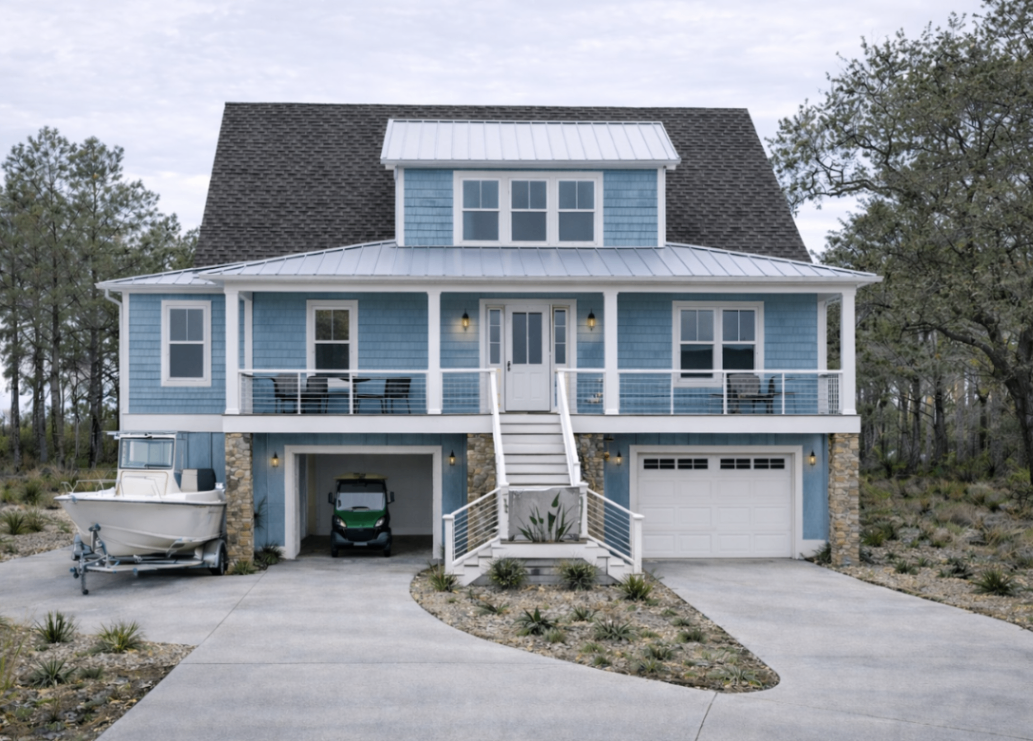
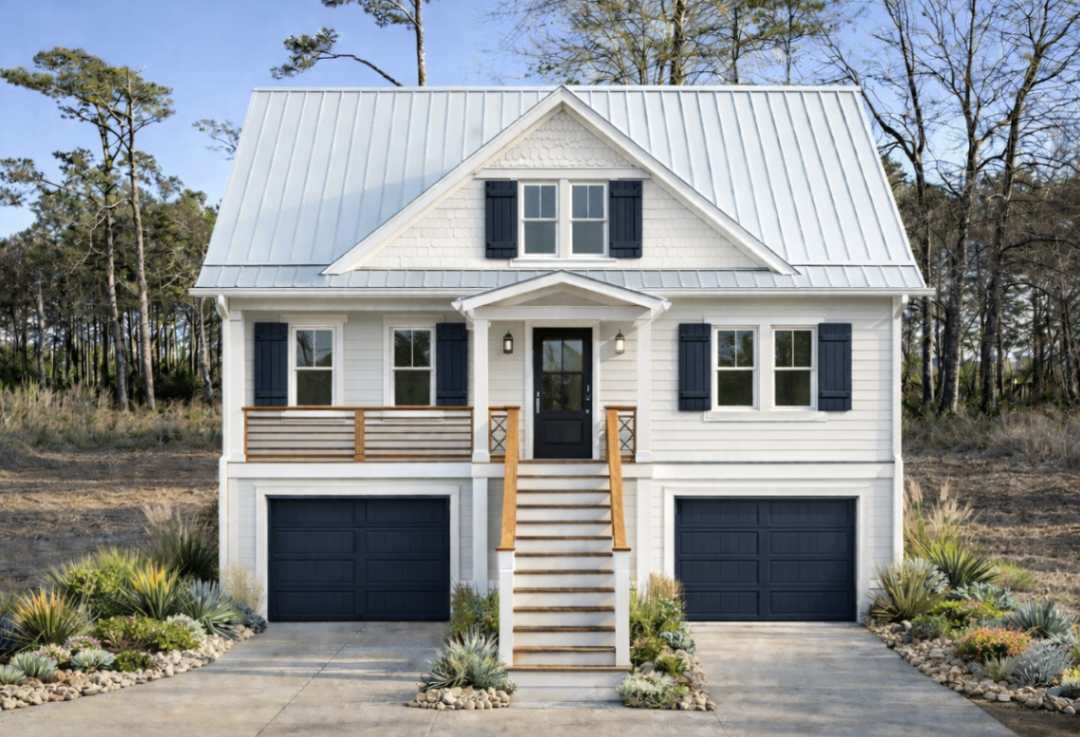
We specialize in custom homes across Eastern North Carolina: from Wilmington and Leland to Southport, Jacksonville, Surf City, and Topsail Beach. Every home we build reflects our commitment to meticulous craftsmanship, coastal architectural style, and disciplined project management.
We combine the precision of military planning with the warmth of local service. We treat every client like a neighbor. We build homes: and relationships: that last.
Building a custom home is complex. But with the right builder, it's also one of the most rewarding experiences you'll ever have.
Ready to Start Your Custom Home Journey?
The first step is simple. Complete our Project Questionnaire at linktr.ee/MillCreekDev. It takes 5 minutes and gives us everything we need to schedule your consultation and begin planning your custom home.
Let's build something remarkable together.
: AJ, President | Mill Creek Development Group
Leave a Reply