
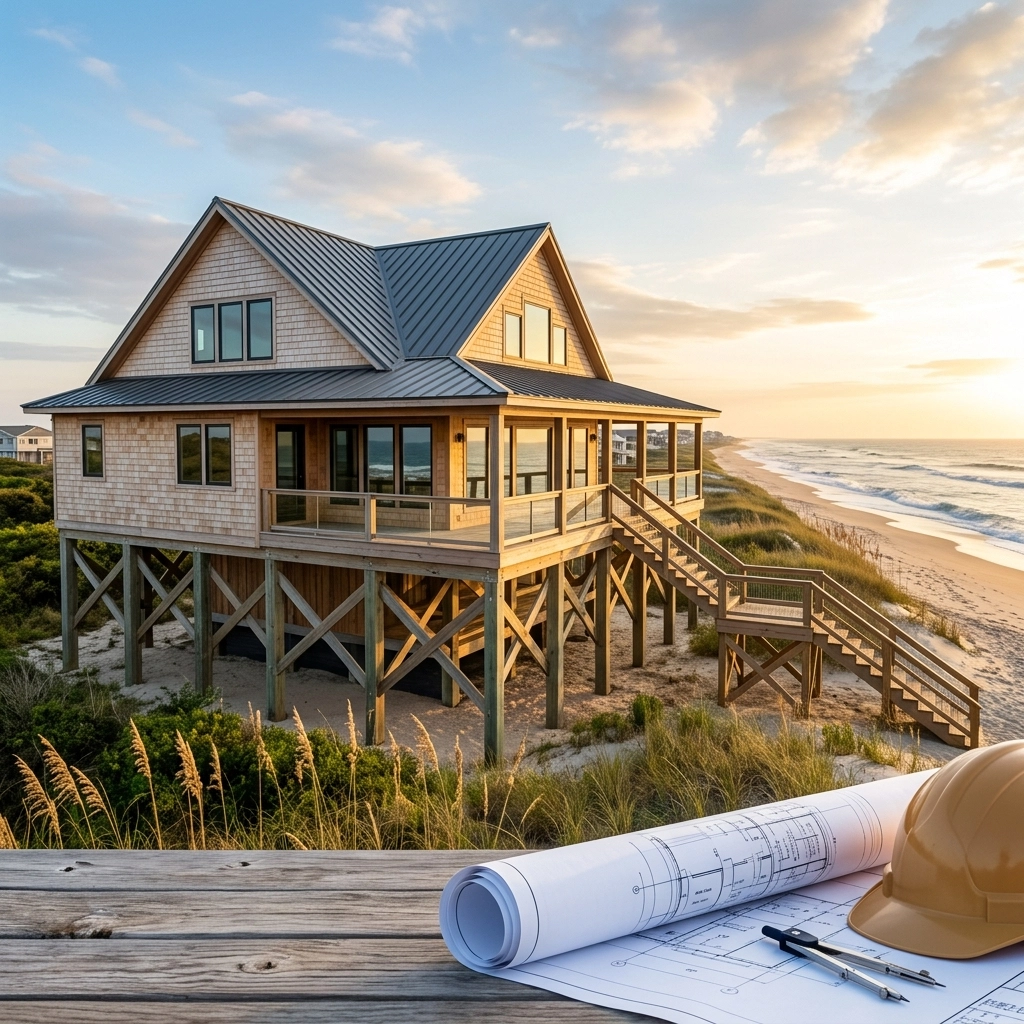
Resilient. Professional. Locally Operated.
Building a custom home along the North Carolina coast is more than a construction project: it is a commitment to a lifestyle defined by the water. Whether you are eyeing a lot in Wilmington, Leland, or Southport, the beauty of the landscape comes with a unique set of challenges. At Mill Creek Development Group, we believe that understanding the "why" behind coastal building codes is the first step toward a home that offers total peace of mind.
Experience the remarkable quality of a structure designed to withstand the elements while providing the luxury your family deserves.
Navigate the Coastal Complexity
Building on the coast involves a complex overlap of state laws, local ordinances, and environmental regulations. Success requires a team that speaks the language of the NC State Building Codes and the Coastal Area Management Act (CAMA).
In North Carolina, the 2018 Residential Code currently governs construction. While a new 2024 code package is in development, its effective date is not scheduled until January 1, 2027. This means your current project must adhere to the 2018 standards: supplemented by specific coastal amendments that address our high-wind and flood-prone environment.
We specialize in interpreting these regulations to ensure your home is not just compliant, but superior in its execution.
Define Your Environment: Flood Zones and Design Wind Speeds
Before a single shovel hits the dirt, we must define the "hazard profile" of your specific lot. The North Carolina coast is not a monolith; a home in a sheltered part of Leland faces different risks than one on the oceanfront in Oak Island.
1. The Wind Factor
In our service areas, design wind speeds typically range from 130 to 150 mph. This necessitates a continuous load path: a structural system that ties the roof to the walls, the walls to the floor, and the floor to the foundation using specialized hardware and connectors.
2. The Flood Reality
Your FEMA flood zone designation dictates your foundation type and your insurance premiums.
- Zone X: Minimal flood risk, but still requires thoughtful drainage.
- Zone AE: Areas subject to inundation where the Base Flood Elevation (BFE) is defined. These require flood-resistant materials and often elevated living spaces.
- Zone VE: High-hazard coastal areas subject to wave action. These require pile or column foundations designed by a structural engineer to allow waves to pass safely beneath the home.
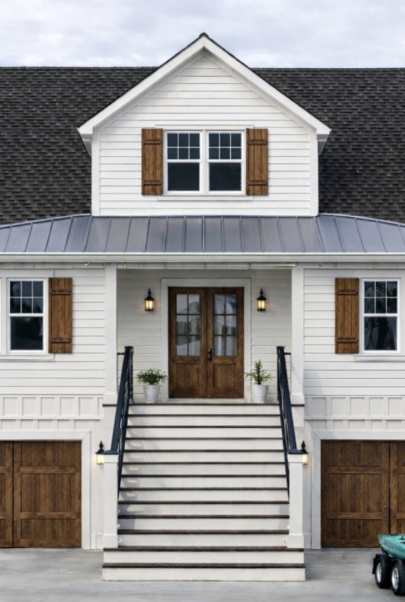
Build Beyond the Minimum: The FORTIFIED Standard
At Mill Creek Development Group, we don't just build to code: we build for resilience. The North Carolina building code is a minimum safety standard. For homeowners seeking the ultimate protection, we recommend the FORTIFIED Home™ standard.
FORTIFIED is a voluntary construction and roofing program that goes above and beyond to protect your investment.
- FORTIFIED Roof: Focuses on enhanced roof attachment, sealed roof decks to prevent water intrusion if shingles are lost, and high-wind-rated materials.
- FORTIFIED Silver/Gold: Addresses the entire building envelope, including impact-rated windows, reinforced garage doors, and a complete continuous load path.
Choosing these standards often results in significant insurance discounts and a higher resale value. Most importantly, it provides Confidence: the knowledge that your home is prepared for the next Atlantic storm.
The Mill Creek Process: Precision. Clarity. Consistency.
Our approach to project management is rooted in our identity as a Veteran-Led organization. We bring military-grade discipline to the custom home-building process, ensuring that every detail is accounted for from day one.
Step 1: The Site Evaluation
We begin by analyzing the local zoning districts, height limits, and setbacks. If your property is near the water, we coordinate with CAMA officers to determine if you need a Minor or Major permit for your home or waterfront structures like docks and piers.
Step 2: The Design and Engineering Team
Coastal homes require a specialized bench of professionals. We coordinate with:
- Structural Engineers: To sign and seal plans for elevated foundations and high-wind loads.
- Surveyors: To provide topographic data and the critical Elevation Certificate.
- Residential Designers: To blend coastal aesthetics with functional, code-compliant floor plans.

Step 3: Craftsmanship and Inspections
During construction, we manage a rigorous schedule of inspections. From footing and pile inspections to the final framing walkthrough, we ensure every strap, bolt, and hurricane clip is installed to exact specifications. We take pride in our transparent communication: keeping you informed as your vision takes shape.
Aesthetic Excellence Meets Coastal Durability
A home built for the coast doesn't have to look like a fortress. We specialize in Coastal Architecture that feels light, airy, and inviting.
By utilizing high-performance materials like fiber-cement siding, stainless steel fasteners, and impact-resistant glazing, we create homes that are as beautiful as they are tough. Inside, we focus on open-concept living areas that maximize views of the North Carolina waterways.
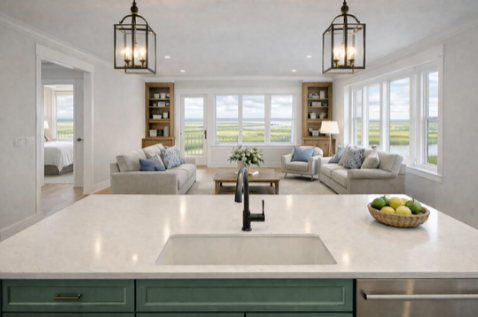
Our interiors feature custom millwork and thoughtful layouts designed for the way modern families live. Whether it's a gourmet kitchen with quartz countertops or a spacious deck for sunset views, we combine Quality + Consistency in every square foot.
The Importance of the Right Team
Building in Wilmington, Leland, or Southport is a significant investment. The most critical decision you will make is choosing a partner who understands the local landscape and has a proven track record of integrity.
Mill Creek Development Group is more than a general contractor. We are a family-oriented team dedicated to building lasting relationships with our clients. We treat your project with the same care and attention to detail that we would our own.

Your Coastal Building Checklist
To help you get started, we’ve condensed the essentials into a straightforward roadmap:
- Identify Your Zone: Use the NC Flood Risk Information System (FRIS) to find your flood zone and BFE.
- Verify the Setbacks: Check local zoning and CAMA rules to see exactly where you can build on your lot.
- Choose Your Resilience Level: Decide early if you want to pursue a FORTIFIED designation.
- Engage Local Experts: Partner with a builder who knows the local building departments and inspectors.
- Focus on Maintenance: Plan for the salt environment: hot-dipped galvanized or stainless steel is a must for all exposed hardware.
Start Your Journey with Mill Creek
Building a custom home should be an exciting milestone, not a source of stress. We bridge the gap between complex building codes and your dream of coastal living. We provide the Clarity you need to make informed decisions and the Consistency you expect from a professional build team.
Are you ready to take the first step toward your new home in Coastal North Carolina? We invite you to begin our structured process by completing our initial project inquiry.
Take Action Today:
Visit our Linktree and fill out the Project Questionnaire. This is the first step in our specialized process to ensure we are the right fit for your vision.
For more information about our previous projects and our full building process, explore our website at millcreekdev.com or follow us on social media @MillCreekDev.
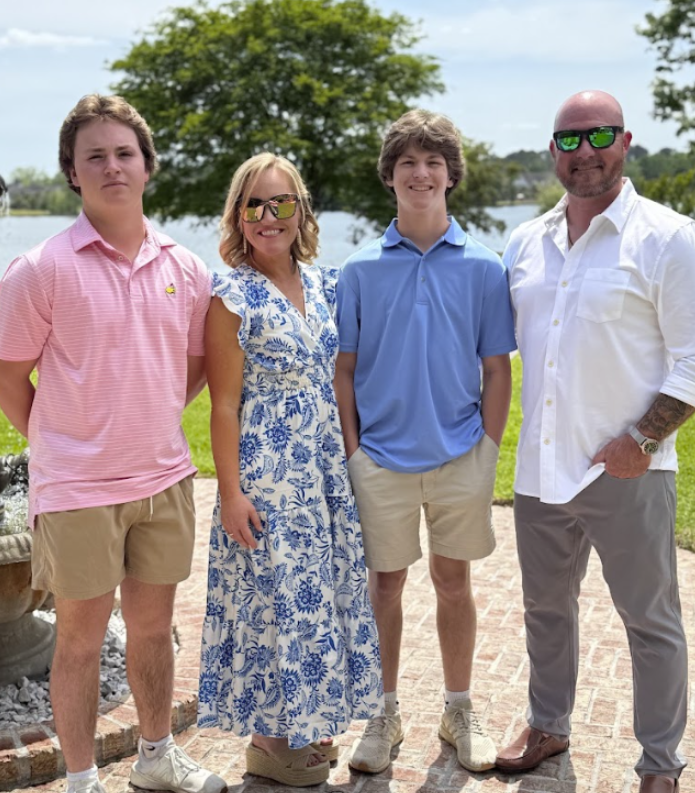
Professionalism. Integrity. Trust. We are proud to serve the communities of Eastern North Carolina, building homes that stand as a testament to quality craftsmanship and veteran-led leadership.
: AJ, President | Mill Creek Development Group
Leave a Reply