
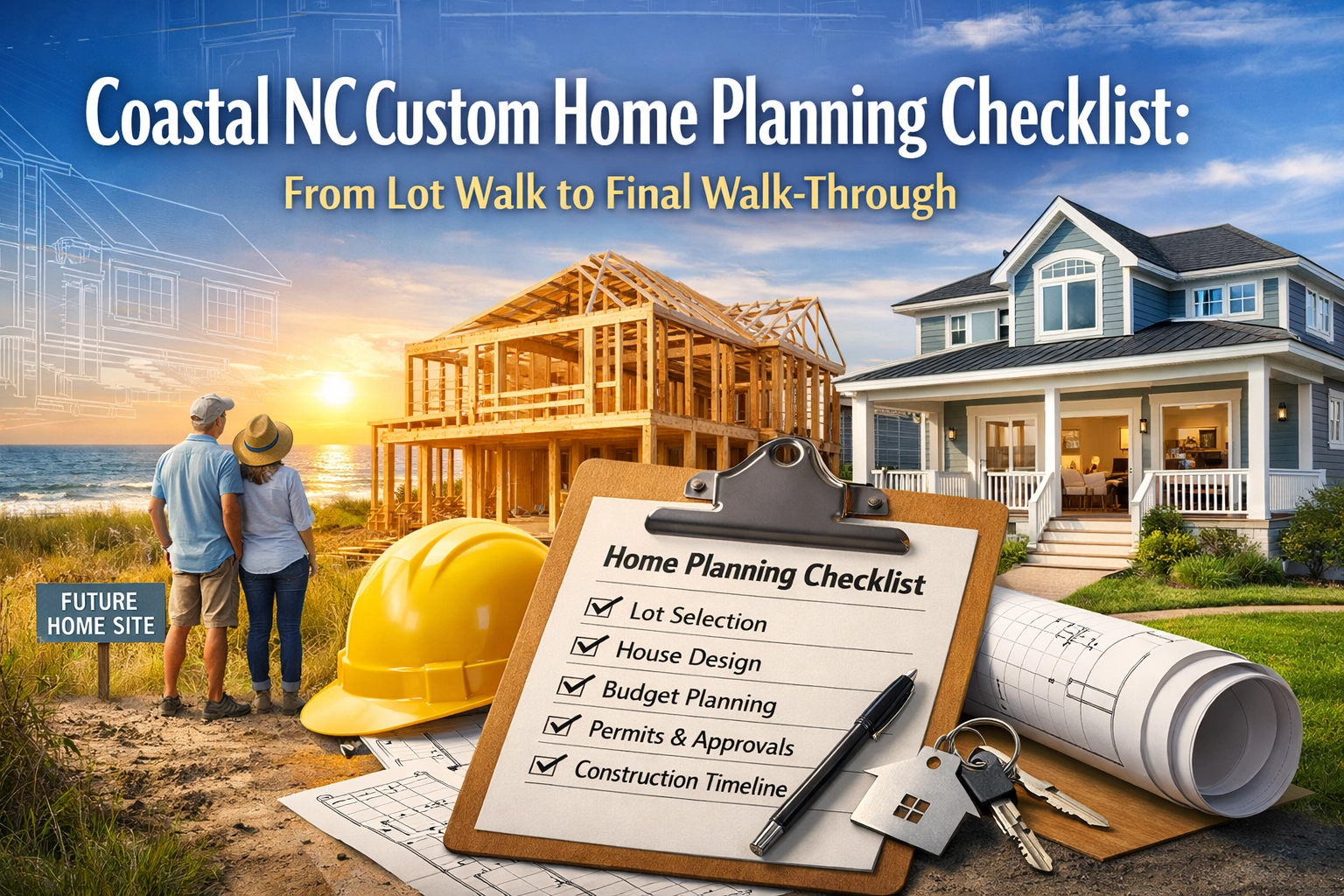
Building a custom home in coastal North Carolina requires precision, planning, and partnership. Whether you're building in Wilmington, Leland, or Southport, the process demands a structured approach: one that delivers Confidence, Clarity, and Consistency from start to finish.
At Mill Creek Development Group, we bring a veteran-owned commitment to every phase of your custom home journey. This checklist walks you through the critical steps from your first lot walk to your final walk-through, ensuring nothing is overlooked.
Phase 1: Pre-Planning and Vision Setting
Define Your Budget and Secure Financing
Before you walk your first lot, establish a comprehensive budget. Include land purchase, design fees, permits, utility connections, landscaping, and a contingency fund of 10–15% for coastal-specific considerations. This financial clarity prevents surprises later.
Clarify Your Vision and Must-Haves
Create a detailed list separating must-haves from nice-to-haves. Consider how your family lives, works, and gathers. Coastal living offers unique opportunities: think about how you'll use outdoor spaces, maximize water views, and protect your investment from coastal weather.
Establish Your Timeline Expectations
Work with your custom home builder in coastal NC to develop realistic timelines. Permitting, material availability, and weather conditions impact schedules. A transparent timeline provides accountability and reduces stress throughout the process.
Phase 2: Lot Selection and Evaluation
Conduct a Thorough Lot Walk
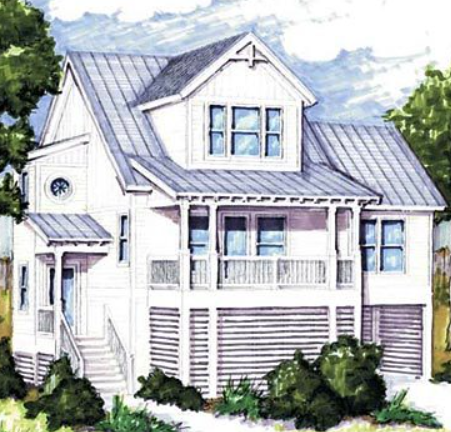
Walk the property with your builder. Evaluate topography, drainage patterns, sun orientation, and natural features. Sloped lots offer views but may require additional grading. Flat lots might need enhanced drainage solutions. Your builder should identify opportunities and challenges immediately.
Verify Utility Access and Infrastructure
Confirm access to public water and sewer or budget for well and septic systems. Coastal properties often require additional infrastructure considerations. Address these costs before closing on the land.
Assess Environmental and Regulatory Factors
Coastal North Carolina properties require special attention to flood zones, soil stability, and setback requirements. Research HOA covenants and zoning regulations early. These factors directly impact your design options and construction timeline.
Consider Location and Future Value
Evaluate proximity to schools, work, shopping, and healthcare. Research planned developments in the area. Properties in Wilmington, Leland, and Southport continue to appreciate as coastal North Carolina grows: choose wisely.
Phase 3: Team Assembly and Design Development
Partner with an Experienced Coastal Builder
Select a builder who understands coastal construction requirements. Mill Creek Development Group specializes in custom homes designed for North Carolina's coastal environment. We know the materials, methods, and building codes that protect your investment.
Develop Comprehensive Architectural Plans
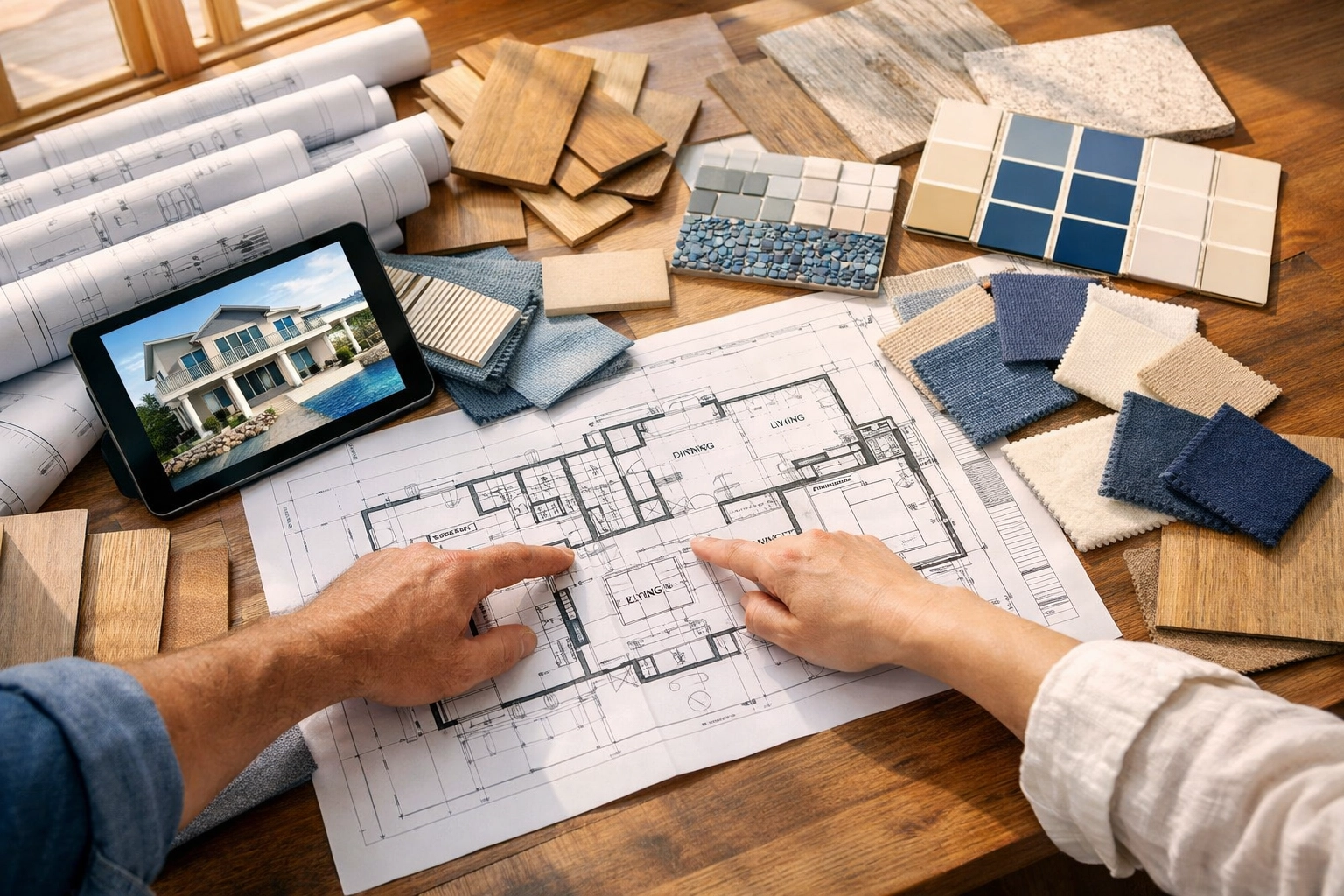
Work with your design team to translate your vision into detailed blueprints. Address structural requirements, material selections, and coastal-specific design elements. Plans should maximize natural light, capture views, and incorporate storm-resistant features.
Finalize Your Selections Schedule
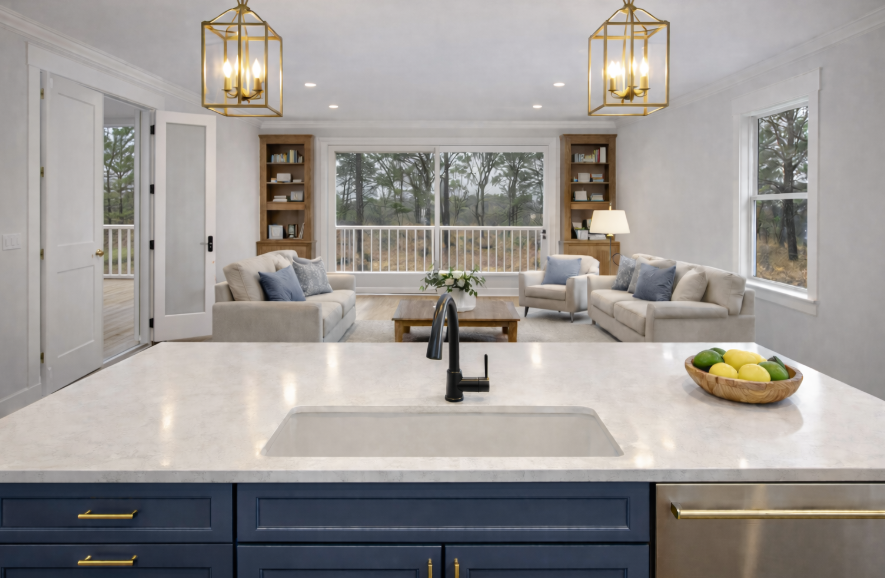
Establish a detailed timeline for material and finish selections. Early decisions: foundation type, structural framing, electrical layouts, and plumbing locations: must be finalized before ground-breaking. Later selections include cabinetry, countertops, flooring, and fixtures. Your builder should provide clear deadlines for each decision point.
Phase 4: Permitting and Approvals
Submit to Architectural Review Committees
Many coastal communities require architectural review. Your builder submits plans along with required fees. Expect 30–60 days for review and approval. Plan accordingly to avoid timeline delays.
Complete Required Site Surveys
A professional survey identifies property boundaries, easements, and building envelopes. This documentation prevents setback violations and ensures your home placement meets all requirements.
Obtain Building Permits
Your builder manages permit applications with local jurisdictions. Coastal areas often require additional approvals for hurricane resistance, flood zone compliance, and environmental protection. Professional builders navigate these requirements efficiently.
Phase 5: Construction and Project Management
Prepare the Building Site
Once permits are secured, site preparation begins. Excavation, grading, and utility installation establish the foundation for your home. Proper site work prevents future drainage and foundation issues.
Monitor Construction Milestones
Throughout construction, multiple inspections occur: structural, mechanical, electrical, and plumbing. Your builder coordinates these inspections and ensures compliance at every stage. Regular communication keeps you informed of progress and any necessary adjustments.
Manage Changes and Adjustments
Changes during construction are common. Work with your builder to understand timeline and cost impacts before authorizing modifications. Transparency prevents misunderstandings and maintains project momentum.
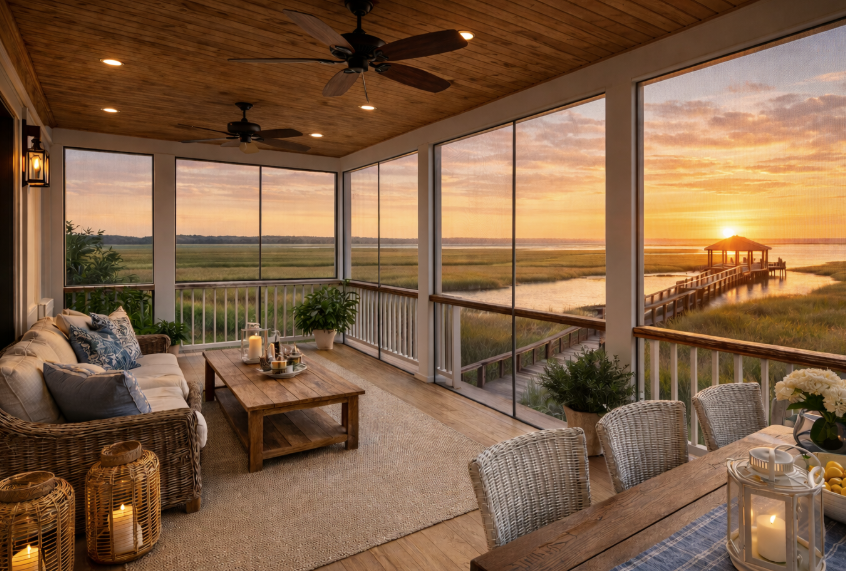
Phase 6: Final Walk-Through and Closing
Conduct a Comprehensive Final Walk-Through
Before closing, inspect every detail with your builder. Verify all work meets contract specifications and design standards. Test systems, check finishes, and document any items requiring attention. A thorough walk-through protects your investment.
Address Punch List Items
Your builder should provide a clear timeline for completing any outstanding items identified during your walk-through. Document everything and establish completion dates before closing.
Understand Your Warranty Coverage
Review warranty terms for materials, systems, and workmanship. Know who to contact for service needs after closing. Reputable builders stand behind their work long after keys change hands.
Understanding Timelines and Allowances
Realistic Construction Timelines
Coastal North Carolina custom homes typically require 8–12 months from permit to completion. Weather, material availability, and design complexity impact schedules. Builders who promise unrealistic timelines often deliver disappointment. We provide honest projections based on decades of coastal building experience.
How Allowances Work
Allowances cover specific materials and finishes: flooring, countertops, lighting, plumbing fixtures, and appliances. Your contract specifies allowance amounts for each category. Selections exceeding allowances require additional investment. Selections below allowances credit back to you. Clear allowance structures prevent budget surprises.
Managing Costs Throughout the Process
Track expenses against your budget throughout construction. Regular updates from your builder help you make informed decisions about optional upgrades and material selections. Transparency builds trust and prevents financial stress.
The Mill Creek Difference
Confidence Through Experience
Our veteran-owned team brings discipline and accountability to every project. We understand the importance of following through on commitments. Your custom home represents a significant investment: we treat it accordingly.
Clarity Through Communication
From your initial consultation through final walk-through, we provide transparent updates. You'll never wonder about project status, timeline adjustments, or budget impacts. Regular communication eliminates surprises.
Consistency in Execution
We follow proven systems developed over years of coastal construction. Every phase of your project follows established protocols that ensure quality, safety, and attention to detail. You receive the same meticulous craftsmanship in every room of your home.
Ready to Start Your Custom Home Journey?
Building a custom home in coastal North Carolina requires a builder who understands the unique challenges and opportunities of our region. Mill Creek Development Group combines local expertise with veteran-owned values to deliver exceptional results.
Start your project with confidence. Complete our Project Questionnaire at https://linktr.ee/MillCreekDev to begin the conversation. We'll walk through your vision, budget, and timeline to determine if we're the right fit for your custom home.
Visit http://www.millcreekdev.com to explore our portfolio and learn more about our process.
Confidence. Clarity. Consistency.
: AJ, President | Mill Creek Development Group
Leave a Reply