

Author: AJ, President | Mill Creek Development Group
The snow was beautiful. The silence? Peaceful.
But now the thaw begins: and that's when coastal North Carolina homeowners discover what the freeze really did to their property.
Five inches of snow doesn't just disappear. It melts. It drips. It runs. And if your home wasn't built or maintained with proper drainage, insulation, and structural integrity, that meltwater finds every weak point in your system.
Mill Creek Development Group has spent decades building custom homes that weather coastal storms: and we've helped countless homeowners recover from freeze damage across Wilmington, Brunswick County, and Eastern North Carolina. This is your step-by-step guide to protecting your investment as temperatures climb back above freezing.
Your Pipes Are the First Priority
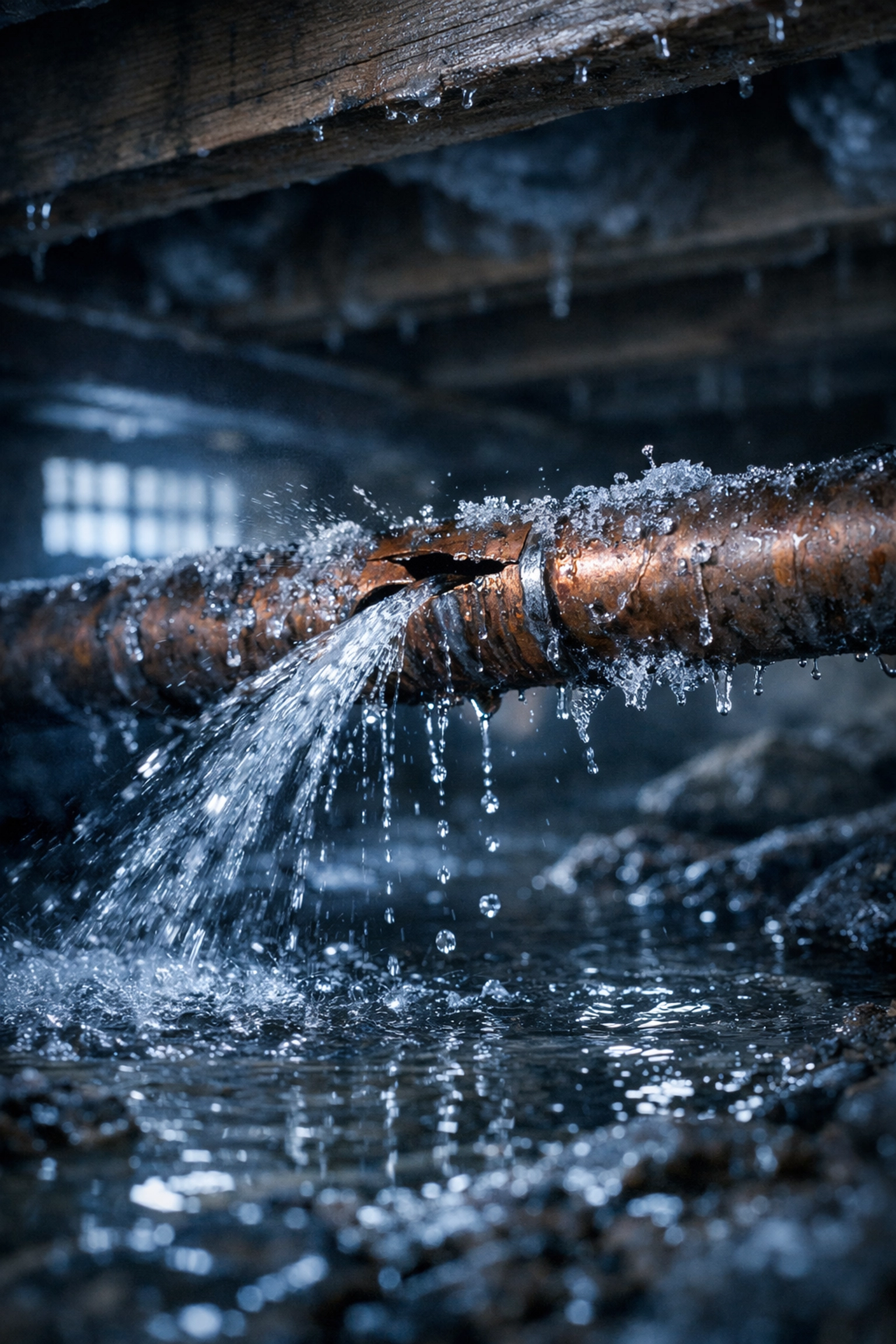
Frozen pipes don't burst while they're frozen. They burst when they thaw.
As ice expands inside your plumbing, it creates pressure that weakens joints, splits copper lines, and cracks PVC fittings. When that ice melts, water floods through those compromised sections: often in walls, crawlspaces, or ceilings where you can't see the damage until it's catastrophic.
What to Check Right Now:
- Listen for running water when all faucets are off. That sound means a leak somewhere in your system.
- Check exposed pipes first: Under sinks, in crawlspaces, near exterior walls, and around hose bibs.
- Watch for water stains on ceilings and walls: discoloration or bubbling paint indicates a slow leak above.
- Know your shut-off valve location. If you find a burst pipe, turning off the main water line immediately limits damage.
Pro tip: If you smell mildew or notice soft spots on drywall within 48 hours of the thaw, you likely have hidden water damage. Don't wait: call a professional before mold takes hold.
Your Roof Took the Brunt of It
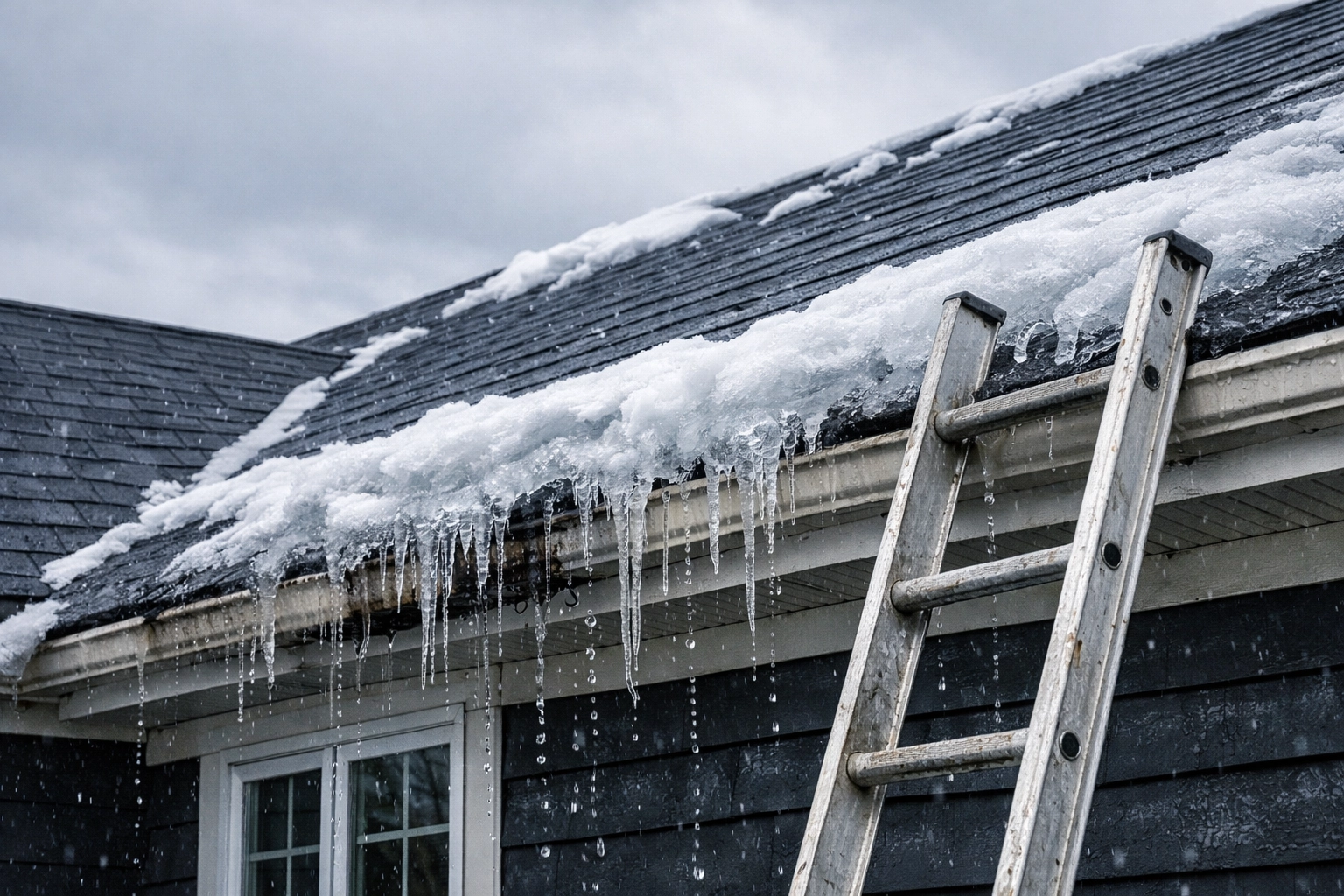
Five inches of wet coastal snow weighs approximately 2.5 pounds per square foot. For a 2,000-square-foot roof, that's over 5,000 pounds of sudden load: and coastal homes aren't always engineered for that kind of stress.
Ice dams form when melting snow refreezes at the roof edge, creating a barrier that traps water behind it. That trapped water seeps under shingles, through flashing, and into your attic insulation. By the time you notice a ceiling stain, you've already got structural damage.
Your Roof Inspection Checklist:
- Walk your property and look up. Check for sagging sections, missing shingles, or visible damage to flashing around chimneys and vents.
- Clear gutters and downspouts. Clogged drainage systems force meltwater under your roofline and into soffits.
- Check your attic. Look for wet insulation, water stains on rafters, or dripping at seams.
- Inspect ridge vents and skylights. These are common entry points for water during freeze-thaw cycles.
If you're not comfortable climbing a ladder: or if your roof shows any signs of stress: don't risk it. A professional inspection from a licensed general contractor in Wilmington, NC costs far less than replacing water-damaged drywall and insulation.
Water Runoff Is Your Foundation's Enemy
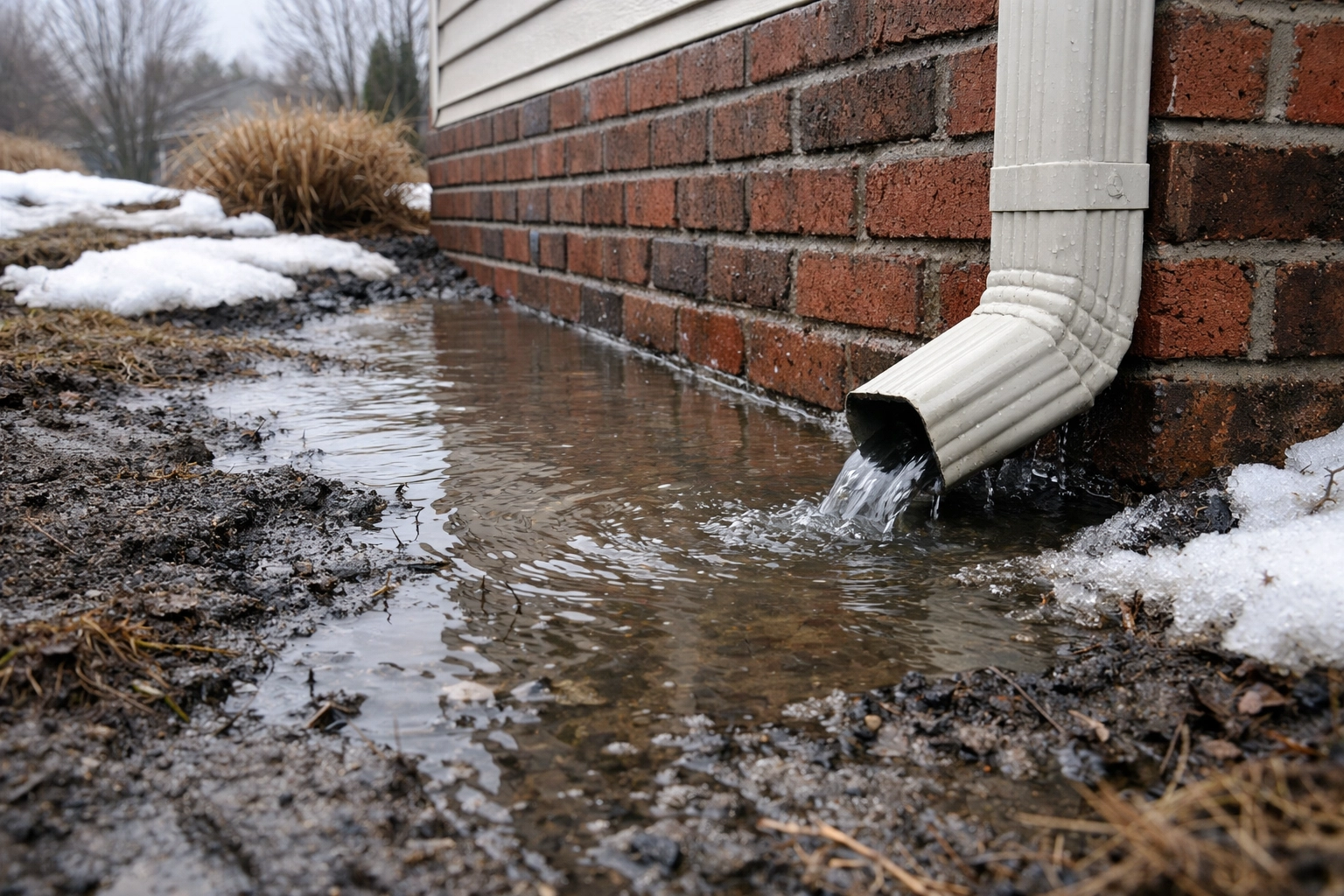
Coastal North Carolina soil doesn't absorb water quickly. Add five inches of snowmelt over 24-48 hours, and you've got serious runoff volume with nowhere to go: except toward your foundation, crawlspace, and landscaping.
Improper drainage is the number one cause of foundation settling and crawlspace flooding after winter storms. The damage isn't always immediate. Sometimes it takes weeks or months for cracks to appear, floors to slope, or doors to stick.
Protect Your Foundation During the Thaw:
- Check grading around your home. Water should slope away from your foundation at a minimum 2% grade for the first 10 feet.
- Inspect crawlspace vents and access points. Standing water in your crawlspace leads to mold, wood rot, and structural compromise.
- Clear debris from French drains and catch basins. Blocked drainage systems turn snowmelt into pooling water against your foundation.
- Watch for settling signs: Cracks in brick veneer, separating trim, or sticking doors often indicate foundation movement caused by saturated soil.
Homes built by Mill Creek Development Group include engineered drainage solutions and properly graded lots: but older homes or properties with DIY modifications often lack these critical safeguards.
When to Call a Professional
Some freeze damage is obvious: a burst pipe spraying water across your kitchen. But most damage hides until it's expensive.
You need professional help if:
- You find water stains but can't locate the source
- Your crawlspace has standing water or smells musty
- You notice new cracks in drywall, brick, or foundation
- Your roof shows sagging, missing shingles, or ice dam damage
- You're unsure whether your plumbing system sustained freeze damage
Mill Creek Development Group offers Disaster Relief and Recovery services specifically designed for disaster recovery in North Carolina. Our team assesses storm damage, provides detailed repair estimates, and handles everything from pipe replacement to full structural restoration.
We also offer consulting services for homeowners who want an expert evaluation before committing to repairs. Sometimes peace of mind is worth the investment: and catching small problems early prevents catastrophic failures later.
The Big Thaw Timeline: What Happens Next
Day 1-2 (Now): Pipes thaw. Leaks reveal themselves. Gutters overflow. Water pools near foundations.
Day 3-5: Roof damage becomes apparent. Ceiling stains appear. Crawlspace moisture develops. Ice dams release trapped water.
Week 2-4: Mold begins growing in wet insulation and drywall. Foundation settling accelerates in saturated soil. Hidden leaks cause ongoing damage.
Month 2-3: Structural issues manifest. Floors slope. Doors stick. Cracks widen. What started as a small leak becomes a major repair.
The lesson? Address freeze damage immediately. Waiting doesn't save money: it multiplies costs.
Built to Weather Coastal Storms
Mill Creek Development Group builds custom homes across Wilmington, Brunswick County, and Eastern North Carolina with freeze protection, proper drainage, and structural resilience built into every detail.
We don't cut corners on:
- Insulated pipe runs and frost-proof hose bibs
- Engineered drainage systems and graded lots
- Ice-and-water shield roofing underlayment
- Properly vented crawlspaces with moisture barriers
- Hurricane-rated construction that handles snow loads
If your current home didn't hold up to this storm, you're not alone. Coastal homes built in the 70s, 80s, and 90s often lack the insulation, drainage, and structural details that modern building codes require: and that Mill Creek delivers as standard.
Take Action Before the Next Storm
This freeze caught most of coastal North Carolina off guard. The next one won't.
Use this checklist to assess your home now: while you can still see where the melt caused problems. Document damage with photos for insurance claims. Get professional evaluations for anything you're uncertain about.
And if you're tired of worrying whether your home can handle the next storm, reach out to Mill Creek Development Group. We build homes that protect your investment, your family, and your peace of mind: no matter what the weather throws at us.
Because in coastal North Carolina, it's not if the next storm comes. It's when.
Custom homes. Coastal resilience. Built to last.
Freeze-thaw damage exposes weak points fast… and it reinforces one truth: the best protection is disciplined planning and exceptional craftsmanship from day one.
Mill Creek Development Group is a custom home builder serving Wilmington, Brunswick County, and Eastern North Carolina. We deliver Confidence. Clarity. Consistency. We build with quality + resilience in every detail—so your home stands up to coastal weather, season after season.
Disaster Relief and Recovery remains part of our expertise—it sharpens our perspective on what fails, what holds, and what protects families when conditions turn.
Looking for a quality builder? Start with Step 1: The Project Questionnaire: https://linktr.ee/MillCreekDevelopmentGroup
Leave a Reply